Inland Fisheries Ireland (IFI) takes another positive stride toward improving wild brown trout and salmon recruitment within the Clare River catchment, with a 900 metre nursery stream enhancement of the Abbert River at Taiquin. This development was planned for 2025, however, due to screening issues which delayed the project from taking place within last years window for stream enhancements the development carried over to 2026. See previous post – Another 3000 metres of Nursery stream development planned for 2025 – Abbert river site 1.
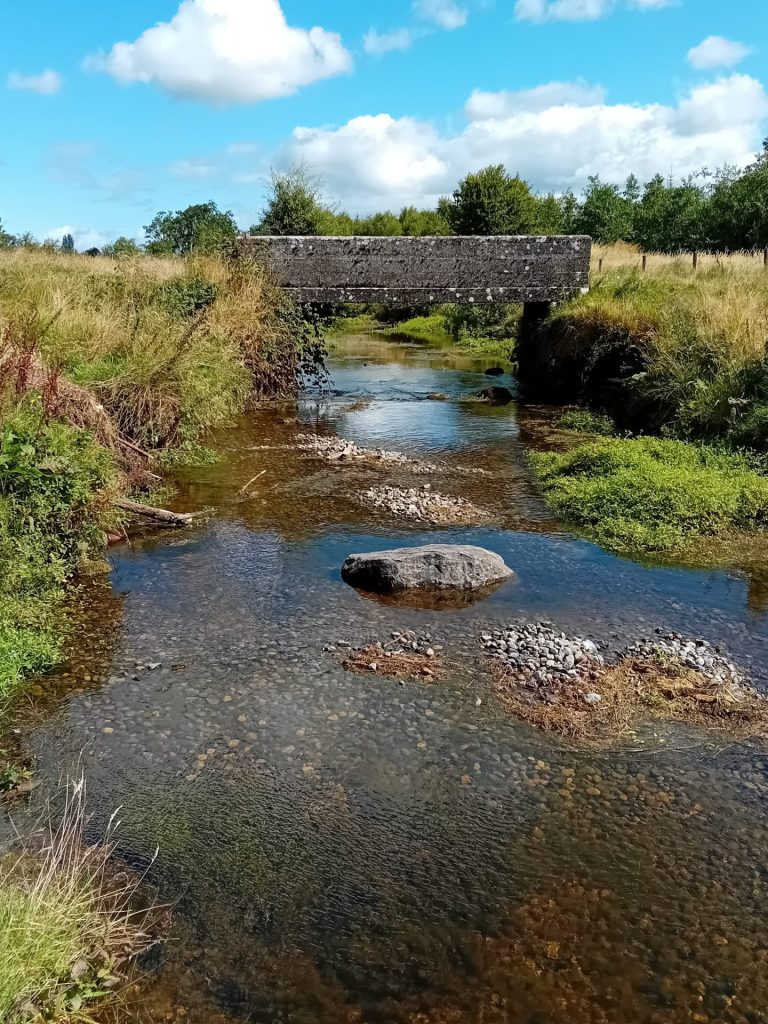
This development which equates to approximately 3,000m² of improved headwater stream habitat, provides the natural conditions for wild brown trout and salmon to spawn successfully and for fry to grow and survive. A juvenile wild fish requires around 1 square metre of good habitat to survive, therefore the remedial enhancement of damaged habitat, habitat damage through decades of overzealous drainage works has created the potential to produce an extra 3,000 young wild brown trout and salmon for the Clare River catchment.
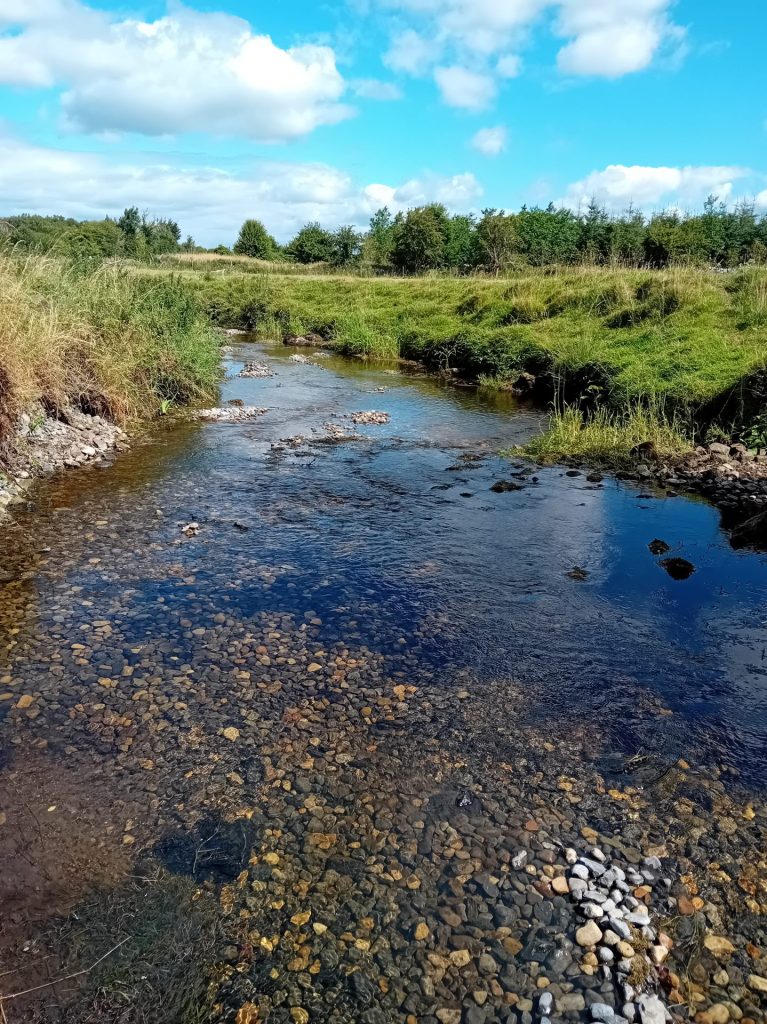
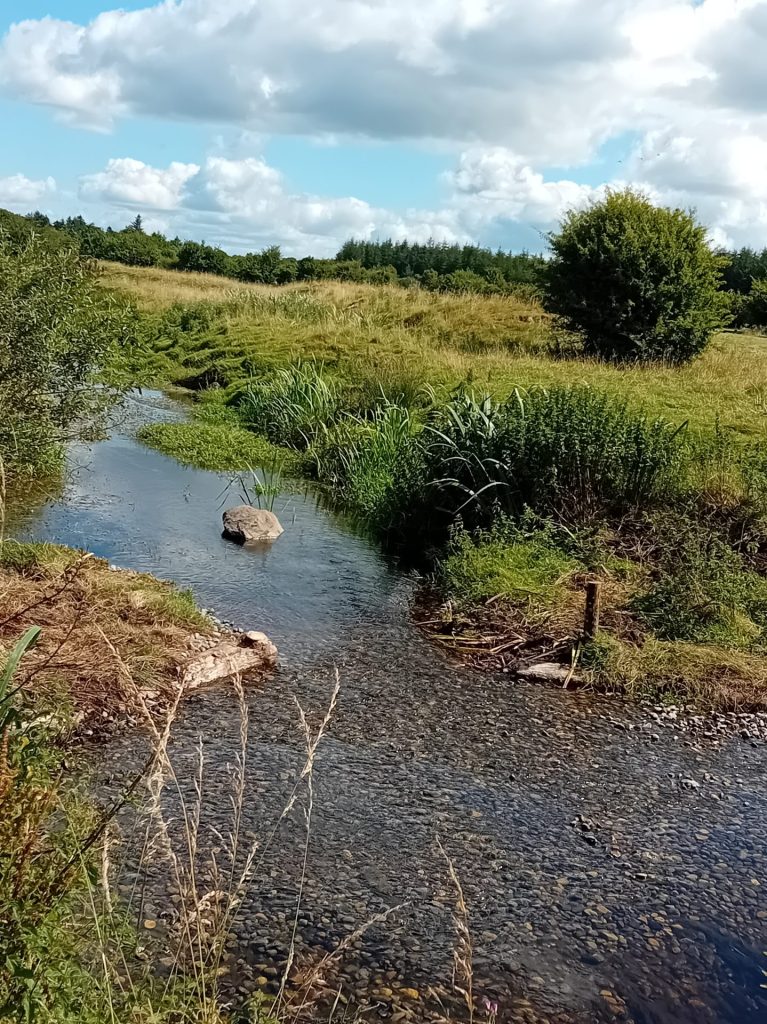
Since Cairde an Chláir signed an Memorandum of Understanding (MOU) agreement with IFI in March 2020, the collaboration has produced over 20,000m² of enhanced Clare river headwater stream developments. The MOU agreement, which has now expired, formed the foundation for a working arrangement, where the government agency for the protection and conservation of fish in Ireland has tirelessly worked with the support of Cairde an Chláir to enhance streams in the upper reaches of the Clare river catchment to produce more wild fish.
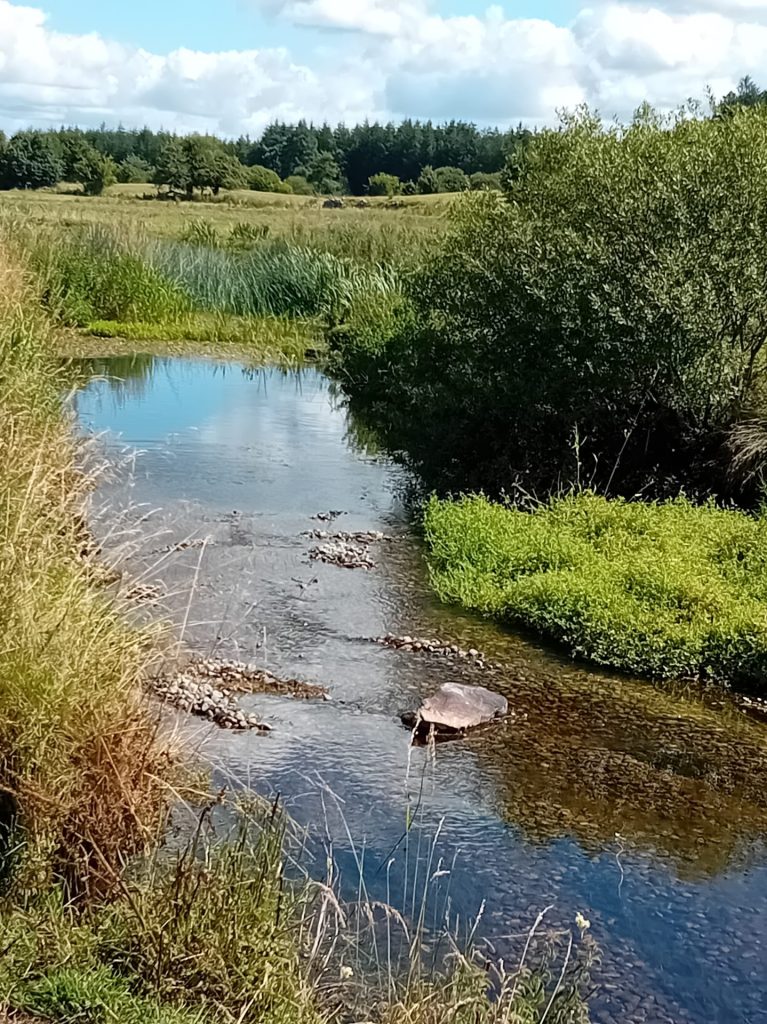
The result of this collaborative exercise is that the latest development, the Abbert River, Tiaquin will add another 3,000m² to the tally of previously enhanced projects. If we take this further and add the previous accumulative tally of over 20,000m² of developed habitat and calculate it over a ten year period, this could equate to a potential 230,000 wild fish added to the Clare river catchment, a catchment which produces 28% of the adult brown trout caught in Lough Corrib.
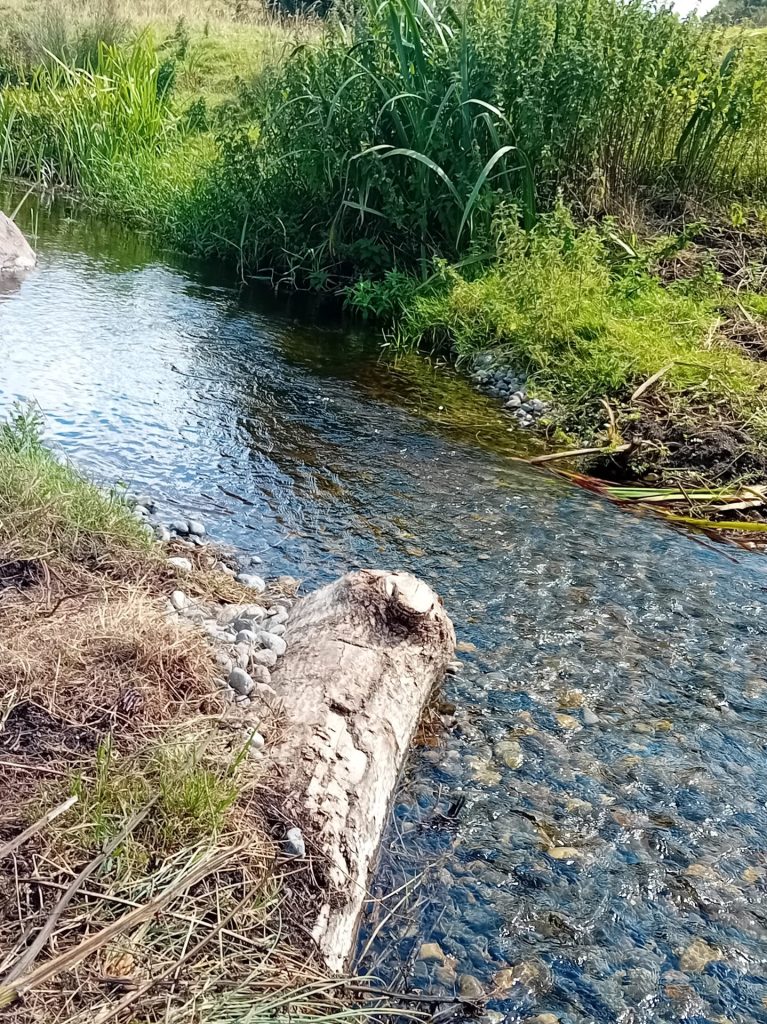
This is positive return and it is these type of returns that make river habitat enhancements so attractive. They offer the best long term returns for expenditure incurred, and they are a practice which utilises a natural sustainable reproductive process that will only require periodic maintenance to keep the enhanced sites active.
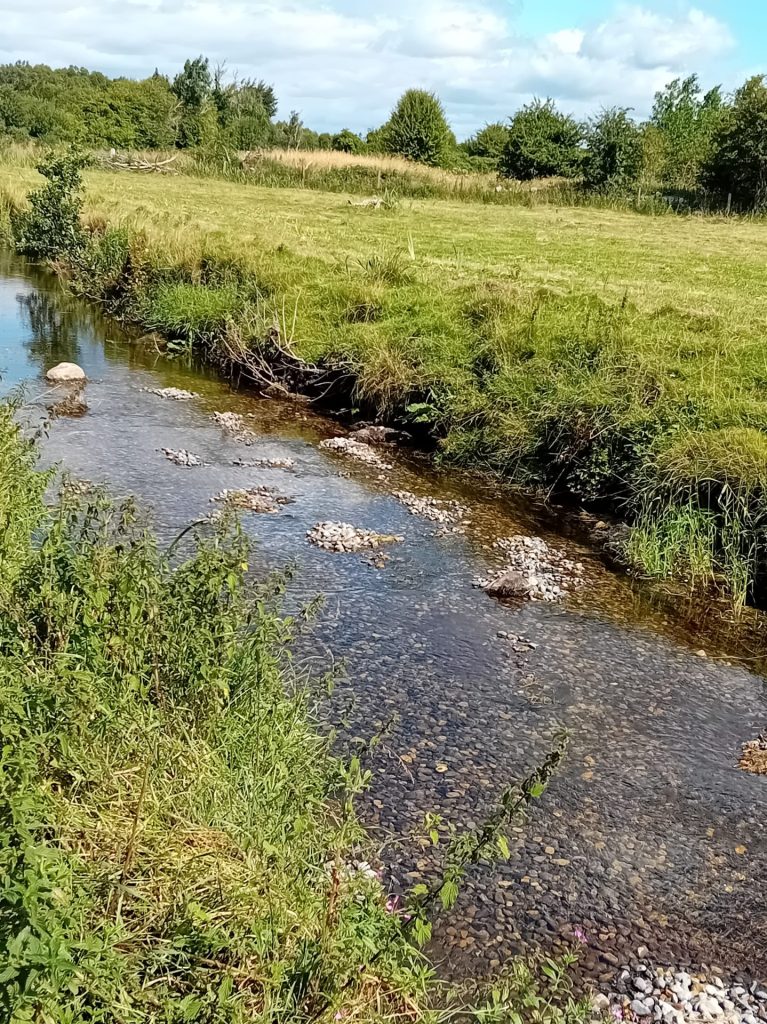
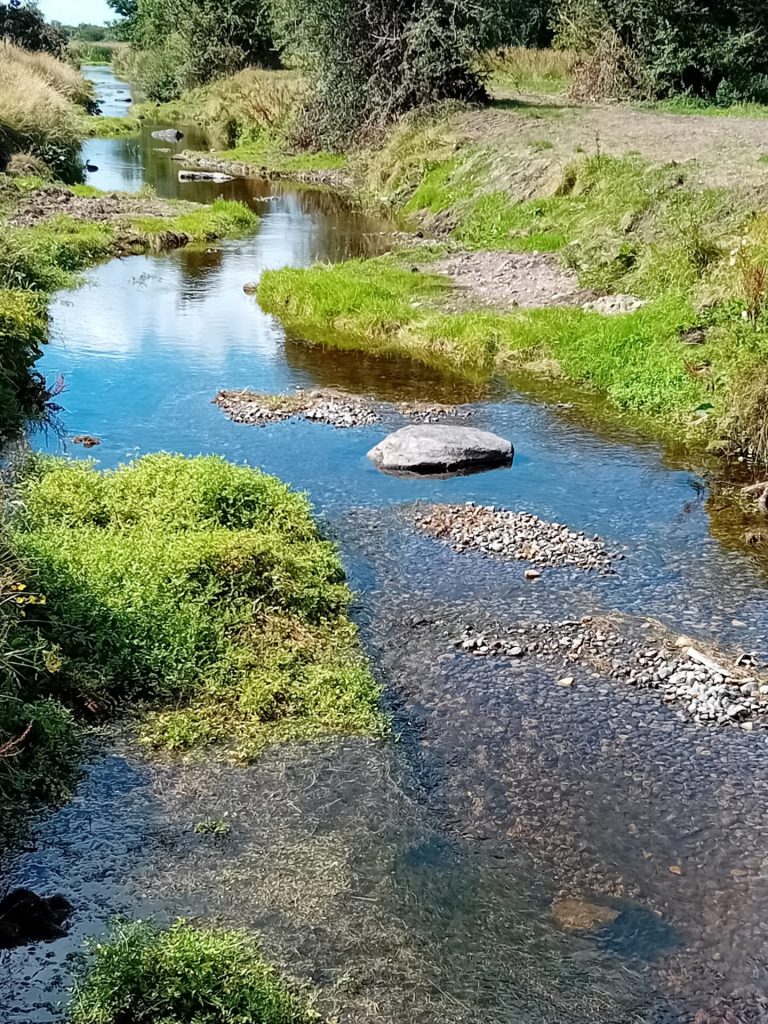
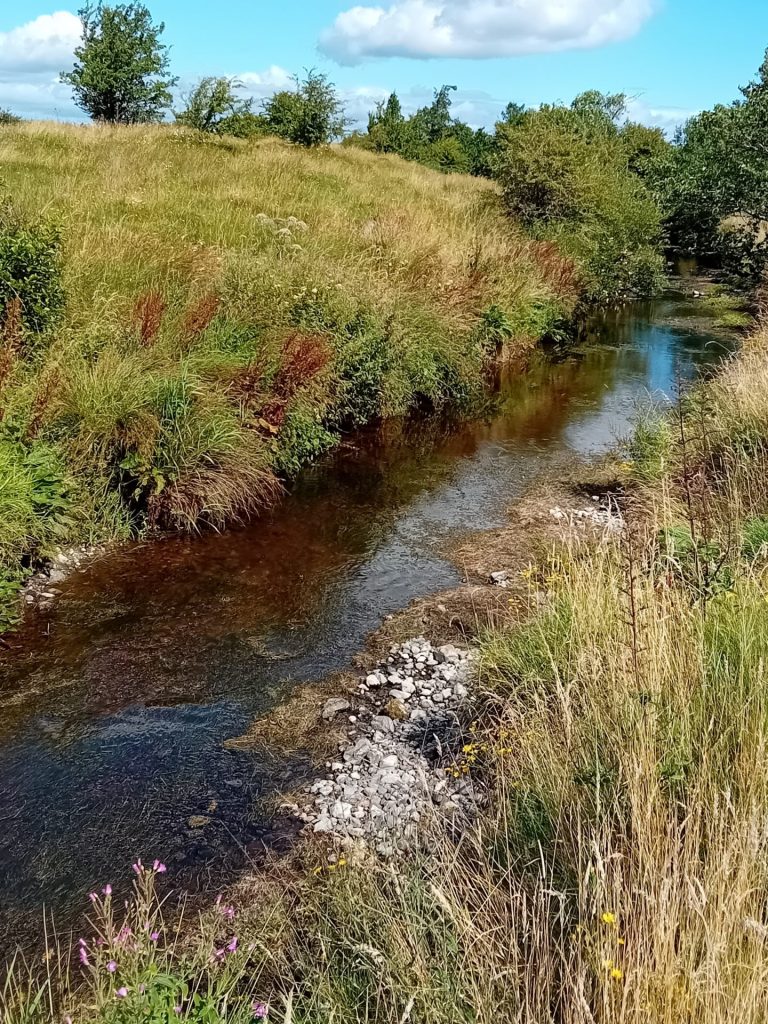
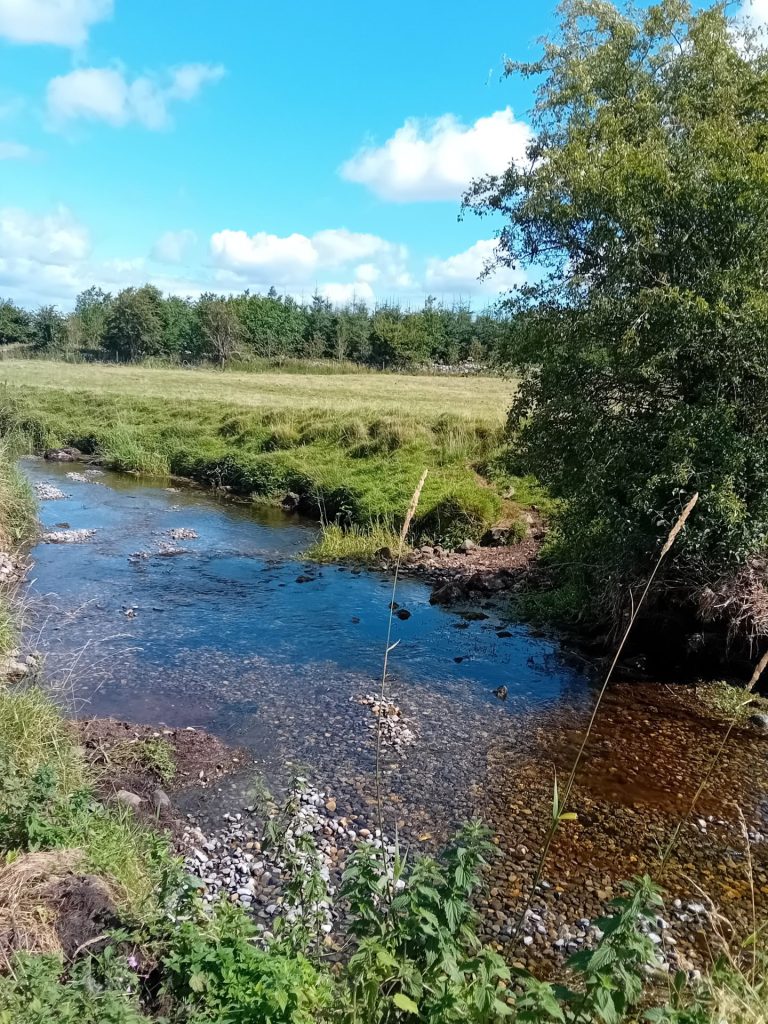
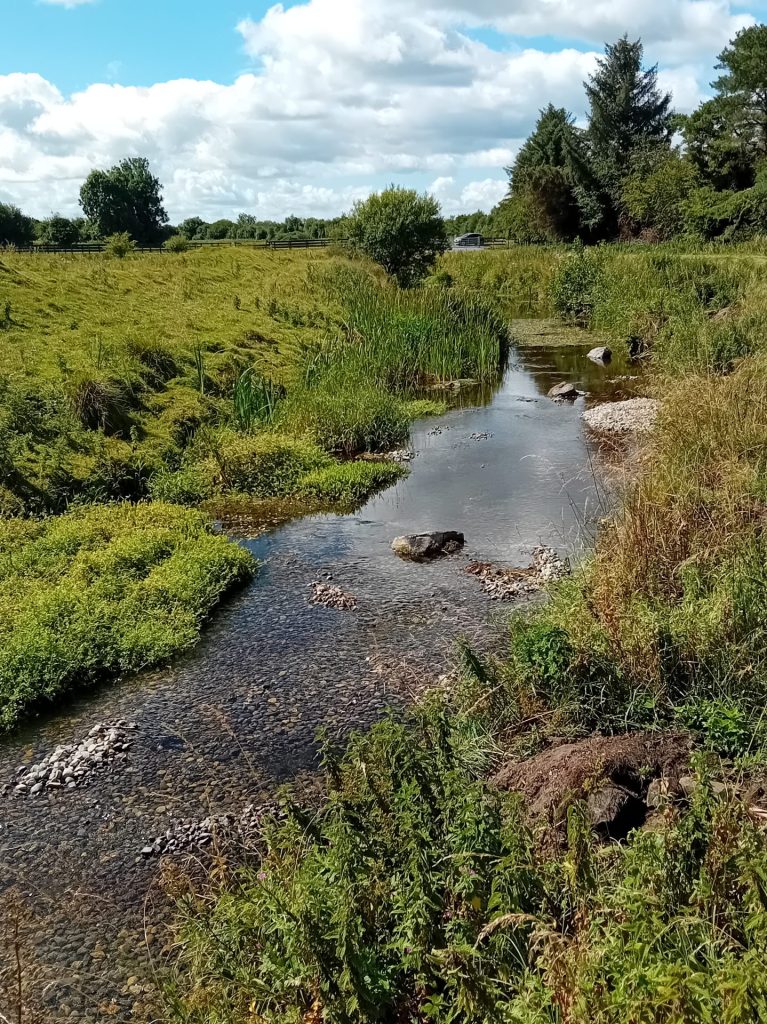
Over 350 tonnes of gravel was introduced to the stream channel to create riffles and provide spawning substrate for adult wild fish. Woody debris was incorporated into the plan to produce constriction points, scour and variation of flow. If left to nature, woody debris would be a naturally occurring structure in our streams and rivers and it would have been a structure which would have commonly occurred in our streams and rivers, it is unfortunate therefore, that this medium which is malleable and attracts aquatic invertebrates in abundance, was historically removed.
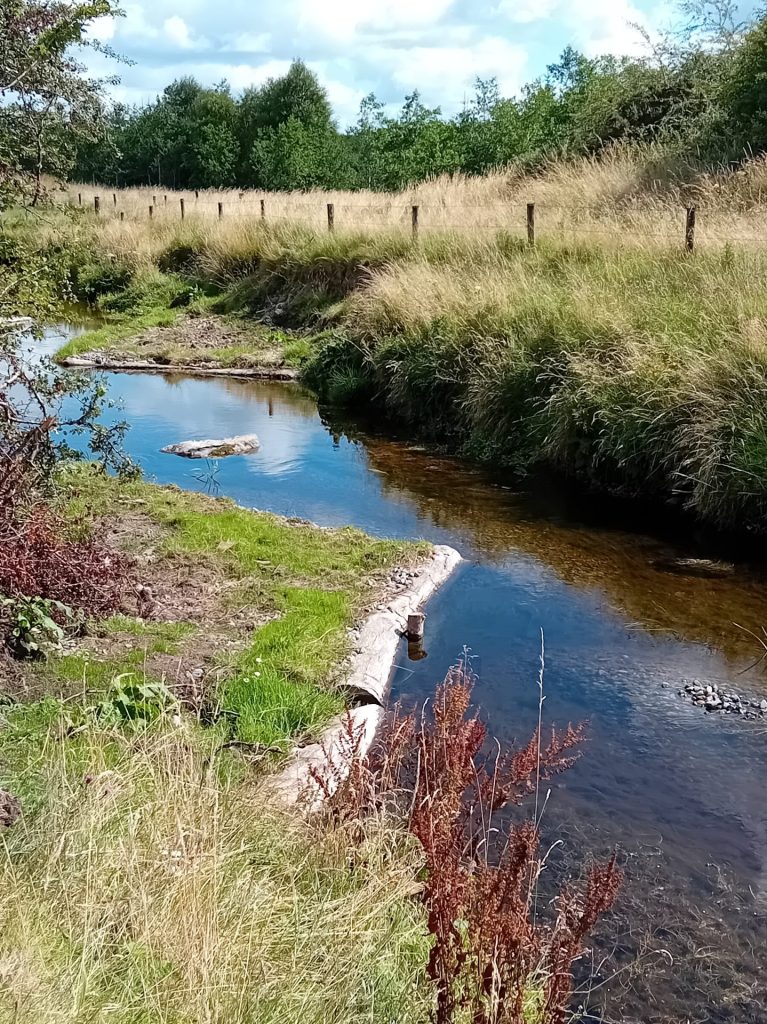
Thankfully this practice is now changing, the Office of Public Works (OPW), the agency responsible for land drainage in Ireland are now rethinking how they can work with woody debris within a waterway without creating flood issues. With this change of thinking, IFI now intend to use more woody debris in preference to rock for future developments. They favour woody debris as it replicates the natural scouring process which is produced by fallen trees. It also looks more natural than the rock structures which have been used in past developments, it moves and changes over time and works in harmony with the natural scouring movement of an unrestricted water course.
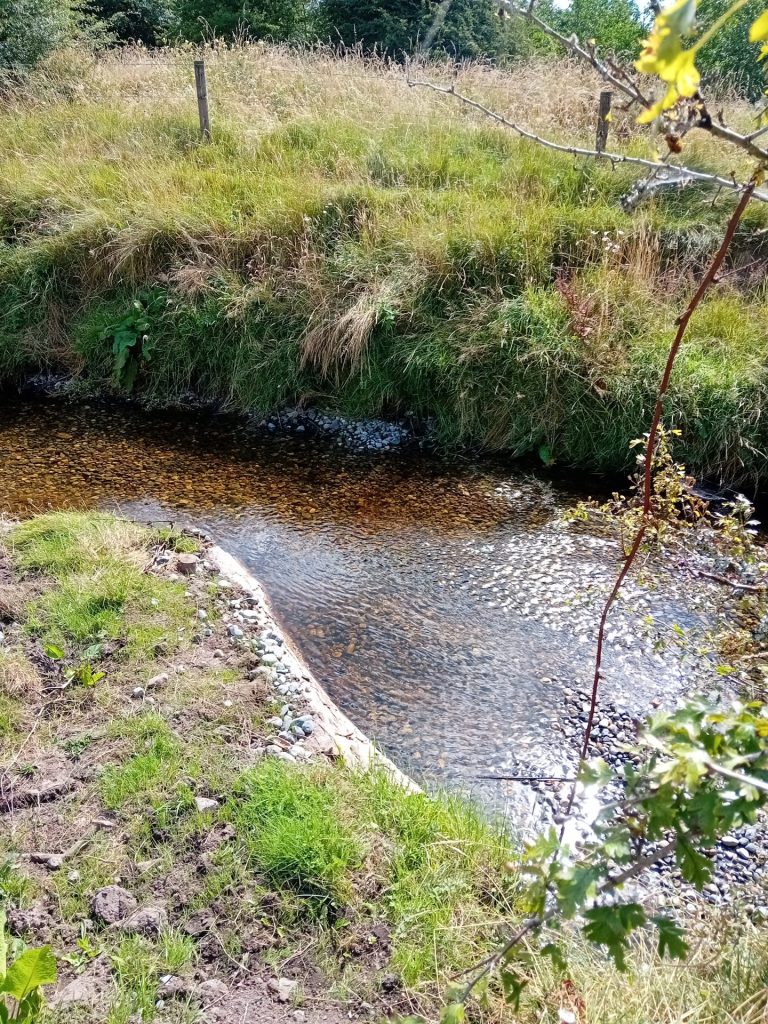
The project was sympathetically enhanced by the IFI development team, a team which are learning all the time to improve their skillset and how they can make improvements to these headwater streams without causing unnecessary impact to the environment and the local wild life. Over time when the development has matured, it will not only be productive for wild fish, it will also prove attractive to many species of wild life, especially after the fenced in-zone margins have been planted with native trees. On my visit to the site to see the completed work, I witnessed a grey wagtail perched on one of the instream boulders. The free flowing stream with boulders placed below a gravel riffle, provided ideal habitat for this particular bird.
These development works are vital if we are to improve our wild fish stocks and if they are supported with good protection and conservation measures for the mature fish, then there is every chance that our wild fishing will improve. It will take time, stream enhancements involve a natural process and nature works at her own pace, but with good protective and conservation measures for mature stock and improved recruitment of juvenile fish, then there is hope of recovery, particularly for brown trout. Given time and the right support, our premier wild fisheries will be provided with the opportunity to once again attain a standard that is expected of a world class fishery, and this is a result that we surely all wish to see.
Cairde an Chláir welcome the policy of enhancing nursery stream habitat for the recruitment of wild fish which is now practiced by IFI, as a group that is committed to the protection and conservation of wild brown trout and salmon within the Clare river catchment, we fully support the government agency for adopting a science based initiative with a proven international track record for improving wild fish stocks.
IFI have covered the biggest percentage of costs for the Abbert River, Tiaquin project with additional support funds to be provided by LawPro for part of the fencing costs. The fencing to protect the enhanced work will be covered in the next post to follow shortly.
We thank our member clubs who make a financial contribution towards the funding budget, a budget which allows Cairde an Chláir to raise funds to support these worthy initiatives through agencies such as LawPro and the Clydagh Foundation.
Also our thanks go to the landowners who allow these projects to take place on their property, it is a gesture which is much appreciated.
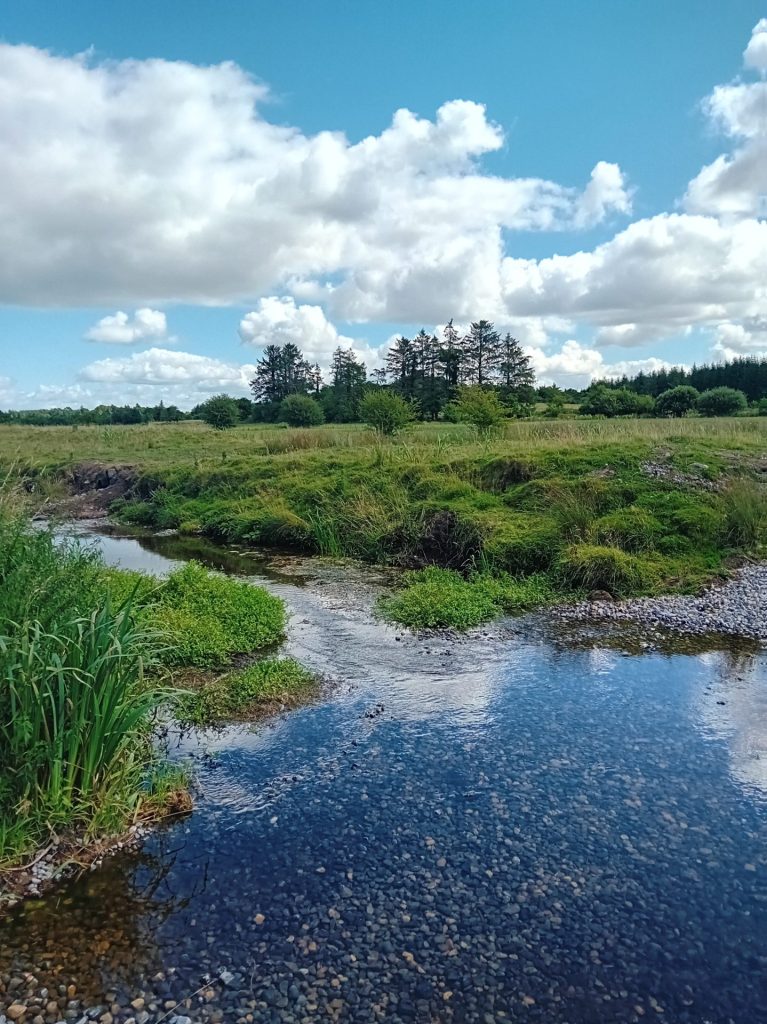
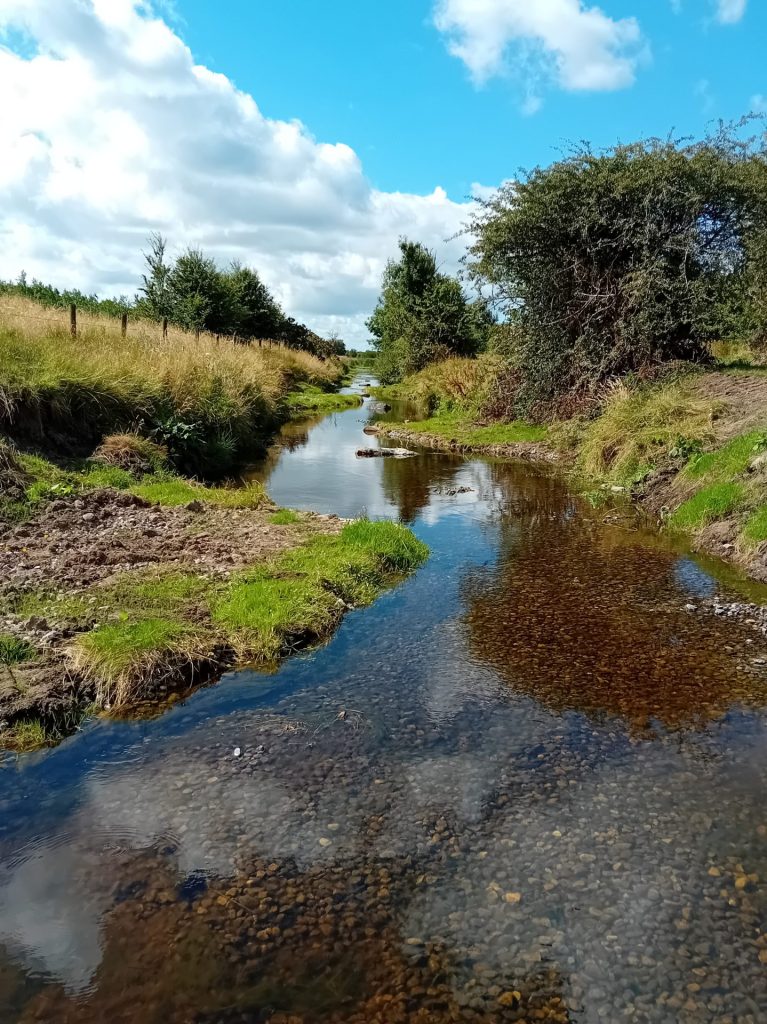
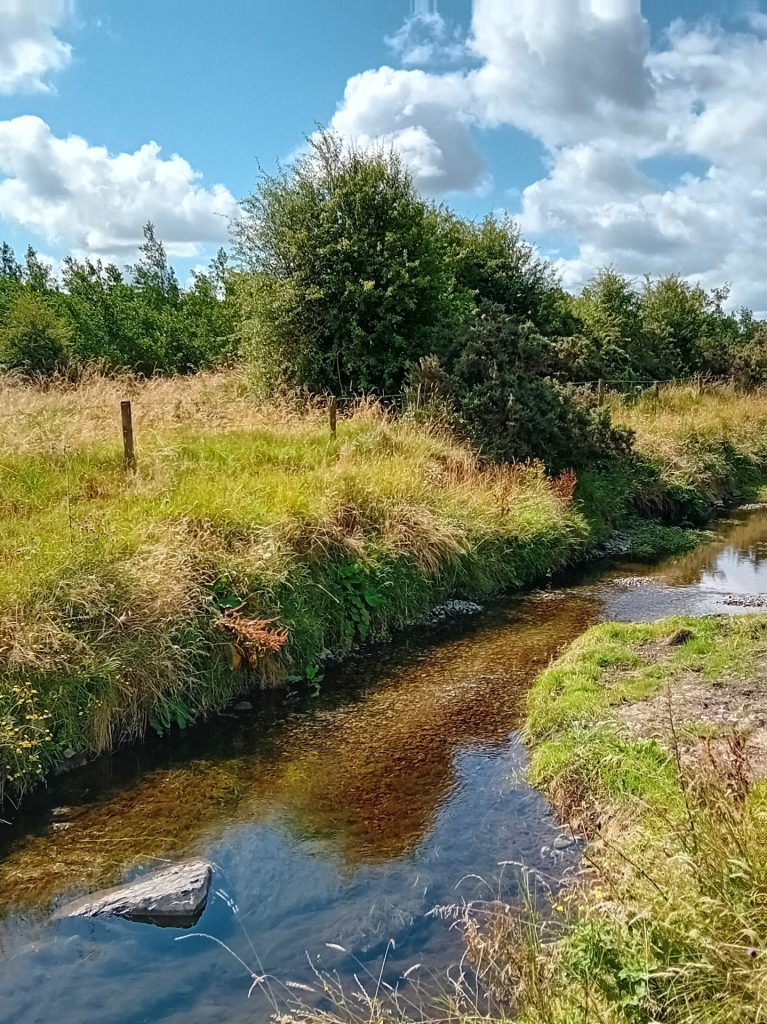
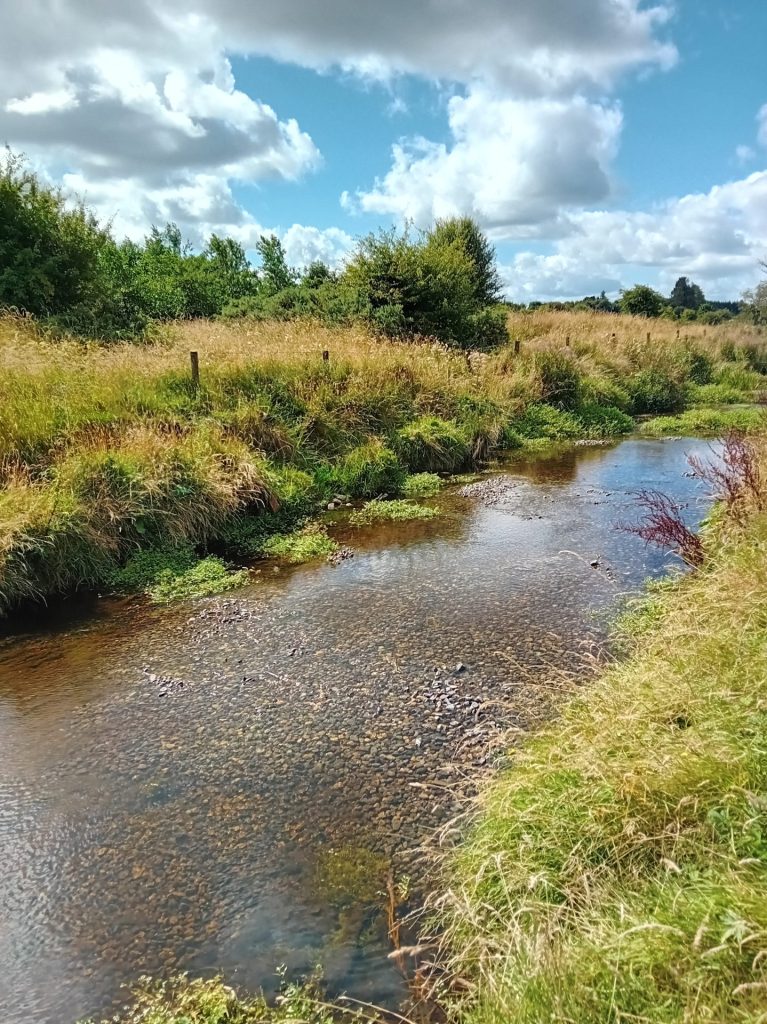
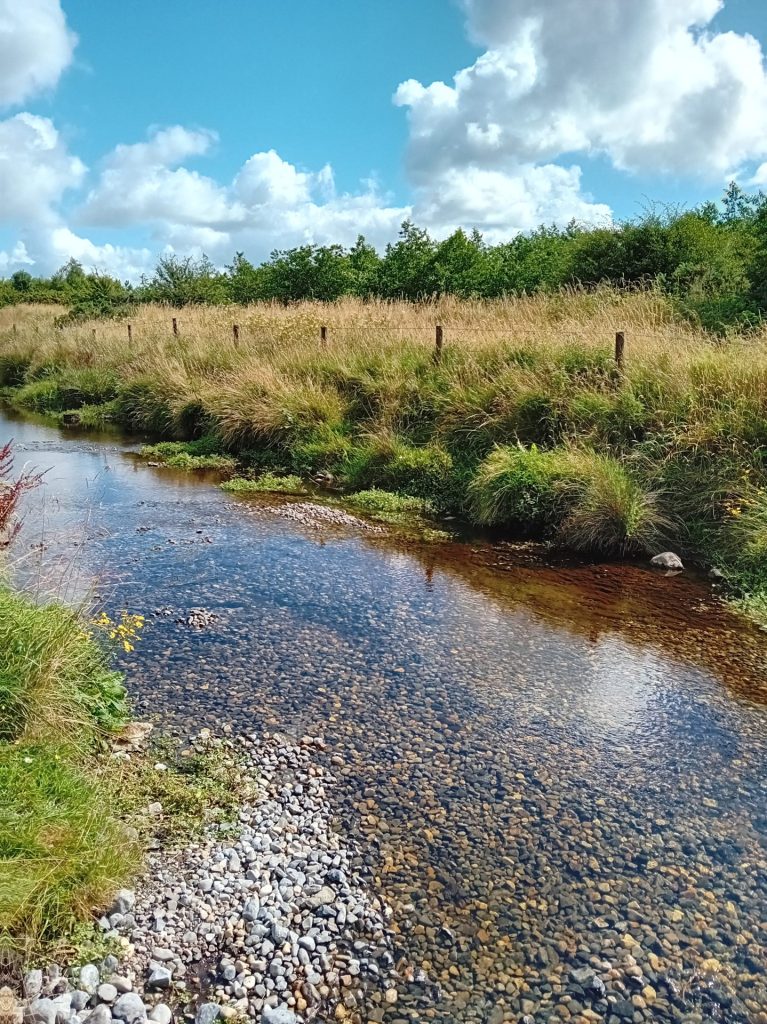
When I took the photographs the river was at its lowest summer flow but ‘a picture speaks a thousand words’ this is a project that has been completed with eye to giving nature a helping hand. Well done IFI and the projects team.


 English
Leave a Reply